
5 Key Things to Know About Bone Density
Fewer than 1 in 5 people at risk for osteoporosis get screened.
As we age, bone strength naturally declines—yet osteoporosis often goes unnoticed until a fracture occurs. Bone density screenings are an easy and effective way to assess your risk and take steps to stay strong and independent.
1. Osteoporosis is a Silent Condition
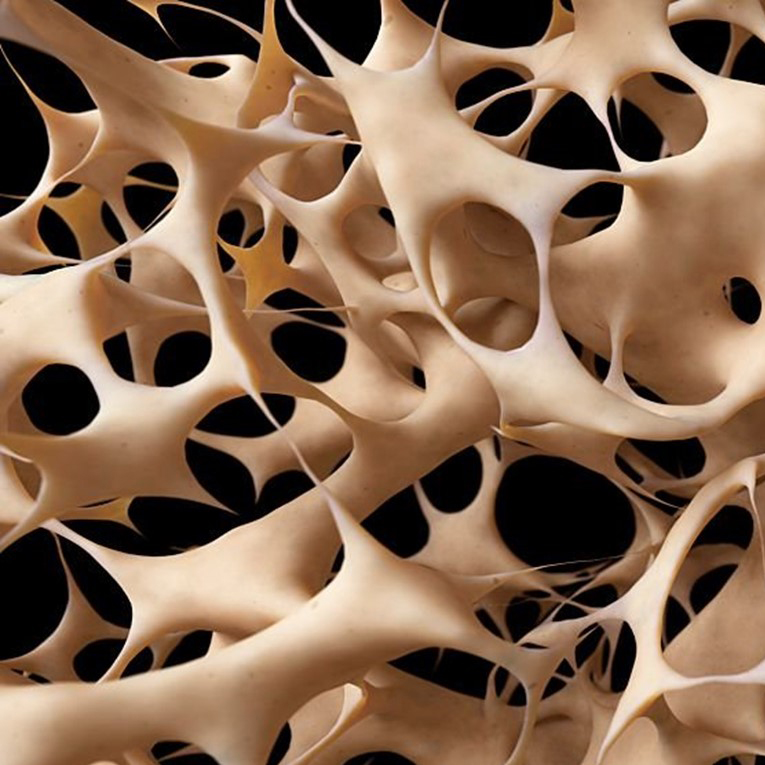
Osteoporosis means your bones are weak and brittle due to low mineral content. It develops slowly and has no symptoms until a bone breaks, often from a minor fall. For women over 50, the lifetime risk of a fracture is 50%; for men, it's 20%.
2. Screenings Help Prevent Fractures
A bone density test (DEXA scan) measures the strength of your bones. If results show low bone density, your provider may recommend medication and lifestyle changes. Some treatments reduce the risk of fractures by up to 70%.
“Fractures, especially hip fractures, can severely limit independence and quality of life,” says Shannon Owens, MHCS Radiology Director.
3. Who Should Get Screened?
- Women 65+
- Men 70+
- Postmenopausal women with low body weight
- Anyone with a history of low-impact fractures
- People on long-term steroid or certain immune-suppressing medications
- People with conditions like rheumatoid arthritis or alcohol use disorder
Your MHCS primary care provider may recommend more frequent screening if you're at higher risk.
4. You Can Take Steps to Protect Your Bones
Strong bones start early, but it's never too late to help maintain them.
- Eat calcium-rich foods (dairy, leafy greens, beans, nuts)
- Get enough Vitamin D
- Stay active with weight-bearing exercises like walking, dancing or pickleball
- Avoid smoking and limit alcohol
Medical treatments may also be needed if bone loss is significant.
5. What to Expect During a DEXA Scan at MHCS
A DEXA scan is a quick, painless, 30-minute test using low-level x-rays. You lie fully clothed on a table while a machine scans your hips, spine and wrist. The results show whether your bone density is normal, low or in the osteoporosis range.
Don't wait for a fracture to act.
Talk with your MHCS primary care provider about your risk for osteoporosis and whether a bone density screening is right for you. DEXA scans are available at MHCS in the radiology department.