
Cyclospora: What You Need to Know About This Summer’s Stomach Illness
Summer means fresh produce, outdoor gatherings and plenty of opportunities to enjoy the foods we love. But this summer, Nebraska health officials are seeing an increase in cases of cyclosporiasis, a foodborne illness caused by a microscopic parasite called Cyclospora cayetanensis.
UPDATE 8.6.26: The Nebraska Department of Health and Human Services confirmed Thursday that a string of cyclosporiasis cases in the state is linked to a national outbreak.
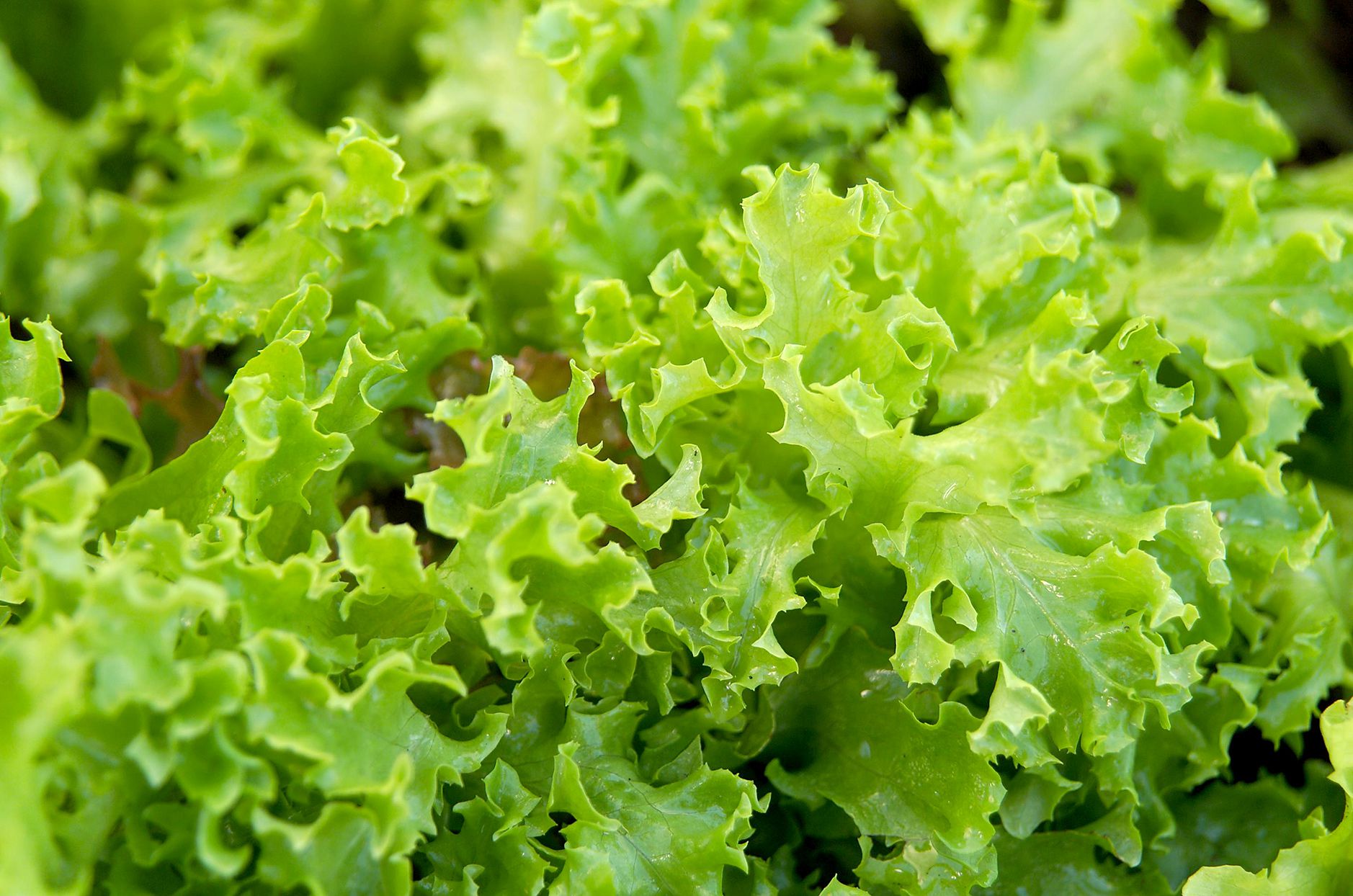
In a news release, DHHS said that 92 of Nebraska's confirmed 218 cases have been linked to an ongoing, multistate outbreak. The announcement comes a day after the CDC widened the scope of the outbreak linked to recalled iceberg lettuce from Taylor Farms de Mexico to six more states, including Nebraska.
What is Cyclospora?
Cyclosporiasis is an intestinal illness caused by a tiny parasite. People typically become infected by eating food or drinking water contaminated with the parasite.
Fresh fruits and vegetables, including leafy greens, berries and fresh herbs, have been associated with Cyclospora outbreaks.
Unlike many common stomach illnesses, Cyclospora is not usually spread directly from one person to another.
Know the Symptoms
Symptoms typically begin about a week after infection, although they can appear several days to two weeks later.
Common symptoms include:
- Watery or frequent diarrhea
- Stomach cramps and bloating
- Gas
- Nausea
- Loss of appetite
- Weight loss
- Fatigue
- Occasionally, vomiting or a low-grade fever
One of the biggest concerns with cyclosporiasis is that symptoms can last for weeks or even longer if the infection isn't treated. Persistent diarrhea can also lead to dehydration and, in severe cases, hospitalization.
Simple Steps to Help Prevent Cyclospora
You don't have to give up your favorite summer fruits and vegetables. Instead, take a few extra precautions when handling and preparing produce.
🧼 Wash your hands.
Use soap and water before and after preparing food, after using the bathroom and before eating. Hand sanitizer does not kill Cyclospora as effectively as proper handwashing.
🥬 Wash your produce.
Rinse fruits and vegetables thoroughly under clean, running water before eating, even if the package says the produce is pre-washed. Washing may not remove all Cyclospora parasites, but it is still an important food-safety practice.
🔥 Cook when possible.
Cooking produce to 158°F or higher kills Cyclospora. While you may not be cooking your salad greens, properly heating foods that can be cooked provides an additional layer of protection.
📋 Stay informed about recalls.
During foodborne illness outbreaks, health officials may issue recalls or recommendations involving specific products. Pay attention to food safety alerts from the FDA and other public health agencies.
When Should You Contact Your Healthcare Provider?
If you develop persistent or severe diarrhea, especially when accompanied by significant fatigue, stomach cramps, nausea or weight loss, don't ignore your symptoms.
Your MHCS primary care provider can order testing for Cyclospora and determine the appropriate treatment. Cyclosporiasis can be treated with prescription medication, and early evaluation can help prevent complications such as dehydration.
At Memorial Health Care Systems, we're here to help you stay healthy through every season. If you're experiencing symptoms that concern you, talk with your provider.
A little extra attention to food safety can help you enjoy the fresh flavors of summer with confidence.
Information for this article is based on guidance from the Nebraska Department of Health and Human Services, Centers for Disease Control and Prevention and U.S. Food and Drug Administration.